
The whole process


Why variations
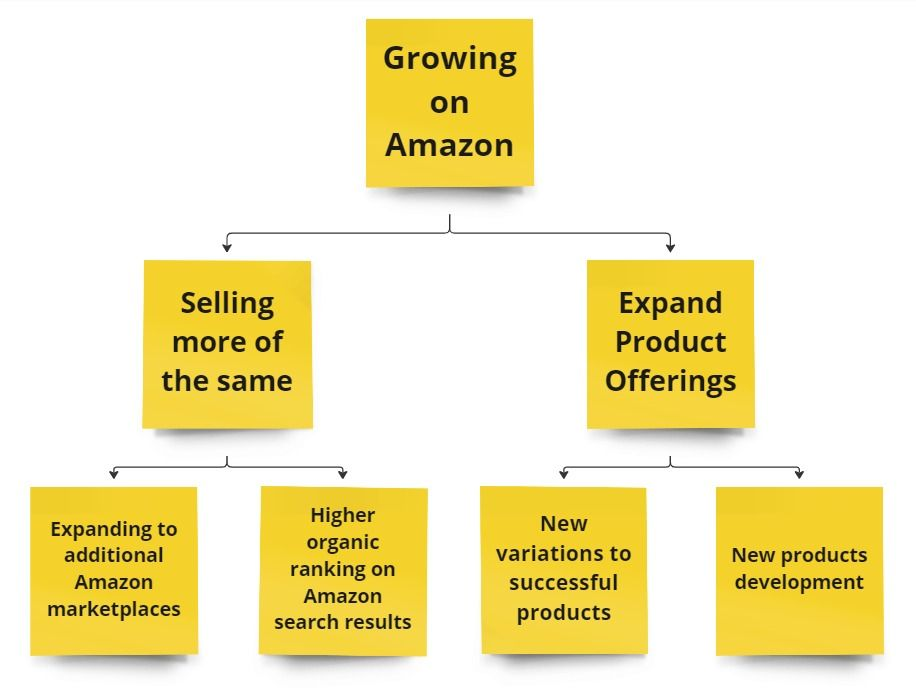
On Amazon, standing still is moving backward: more sellers compete, PPC costs keep rising, and fees keep climbing. You grow by selling more of the same (relaunching, ranking higher, new marketplaces) or by expanding your products, and new variations of successful products are the most strategic way to expand.


| Benefit | |
|---|---|
| Instant visibility and sales | In the same parent ASIN as proven products |
| Shared reviews | A head start over brand-new products with zero reviews |
| Easier to rank | Thanks to the shared reviews, with extra sales for the parent |
| Stronger main product | More choice can lift the parent's conversion and AOV |
| For | Tool |
|---|---|
| Keyword research | Helium 10 Cerebro, DataDive |
| Market research | Helium 10 extension, Keepa extension |
| Analysis | A variation research sheet: competitors, ideas, data and margin |
Three types of variation
| Type | What it does | Example | How |
|---|---|---|---|
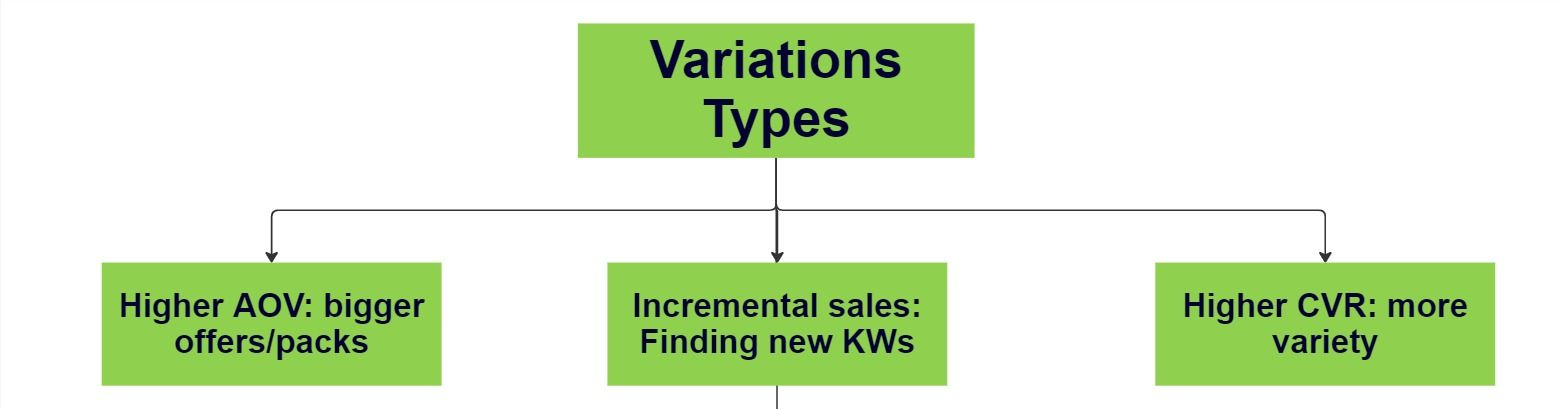
| New keywords | Reach a new audience through keywords your current offer doesn't match: the biggest upside, but the hardest | Selling blankets, missing kids: a kids variation opens "children's blanket", "toddler blanket" | Find new keywords in your category → study who ranks and what buyers want → define the variation → check your reviews are relevant and it's closely related |
| Higher conversion | More colors and sizes so visitors find exactly what they want; every missing option is a lost sale | A water bottle in 16, 24 or 28 oz, pink or black; nobody with a king bed settles for a queen blanket | Match or beat the options of the top competitors, most popular first |
| Higher AOV | Bigger packs so more customers buy more than one | An office pen in packs of 2, 4, 6, 12 or more | Check competitors sell bigger packs and your customers already buy several; bigger packs often mean a lower FBA fee per unit; start with a 2-pack test |

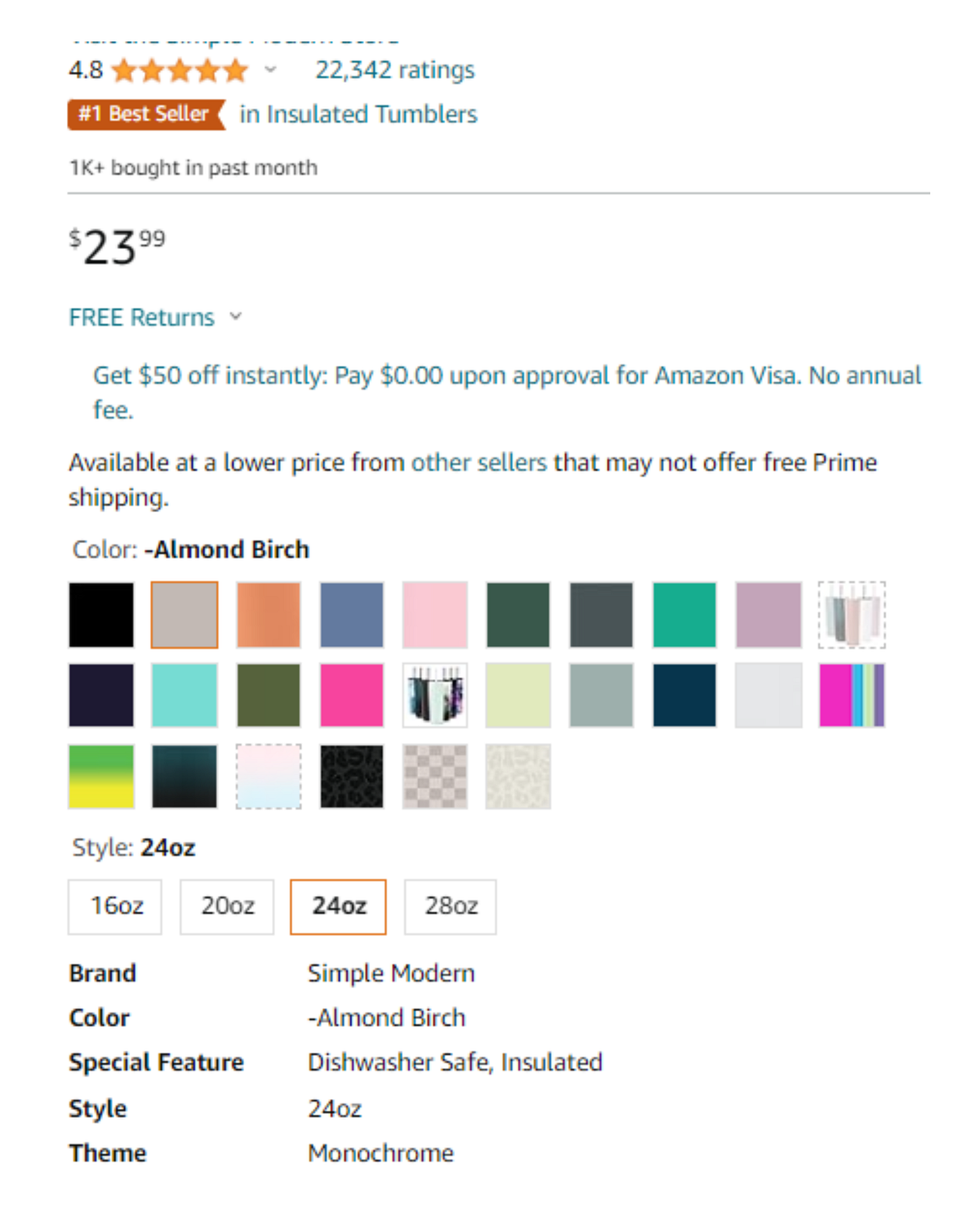

Conversion: a bedding product grew to 60+ child variations; the more variations, the better the CVR and sales.
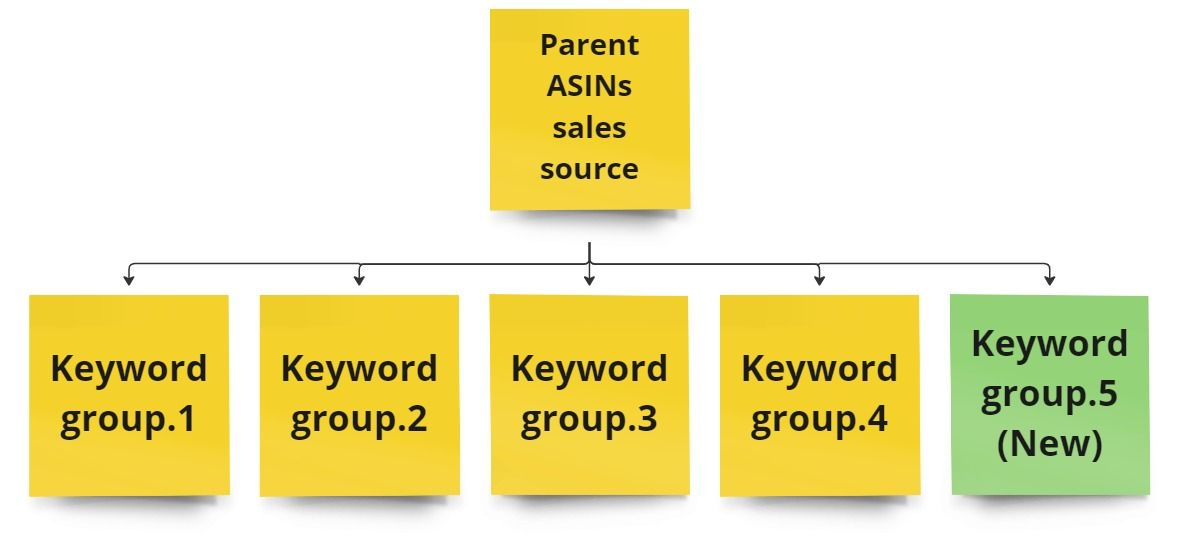
New keywords: a kids variation on a product with about 1,500 reviews brought $75,000 extra revenue a month within 3 months, at 25%+ margin.
AOV: a 12-pack at the price of the niche's 8/10-packs reached the top 3 in about 6 months and stayed there.
Together these drove 40%+ of the business's profit at exit.
Gather variation ideas
- List the top 15–20 competitors
With the lowest BSR (Helium 10 or Keepa): start in your subcategory, then add first-page competitors from your top 3 keywords. Record the links.
- Note every variation they offer that you don't
Pack sizes, colors, demographics (kids, XL/small sizes…).
- Keyword research on the top 4–6 competitors
Cerebro or DataDive (recommended). Keep keywords with 500+ monthly searches and group them by intent: a color ("red"), a size ("king size", "XL", "gallon size"), a user ("kids", "for babies"). Don't skip outlier and category keywords.
- Add each intent group you don't serve as a variation idea
e.g. many "water bottle for babies" keywords → a baby variation.


Gather and analyze the data
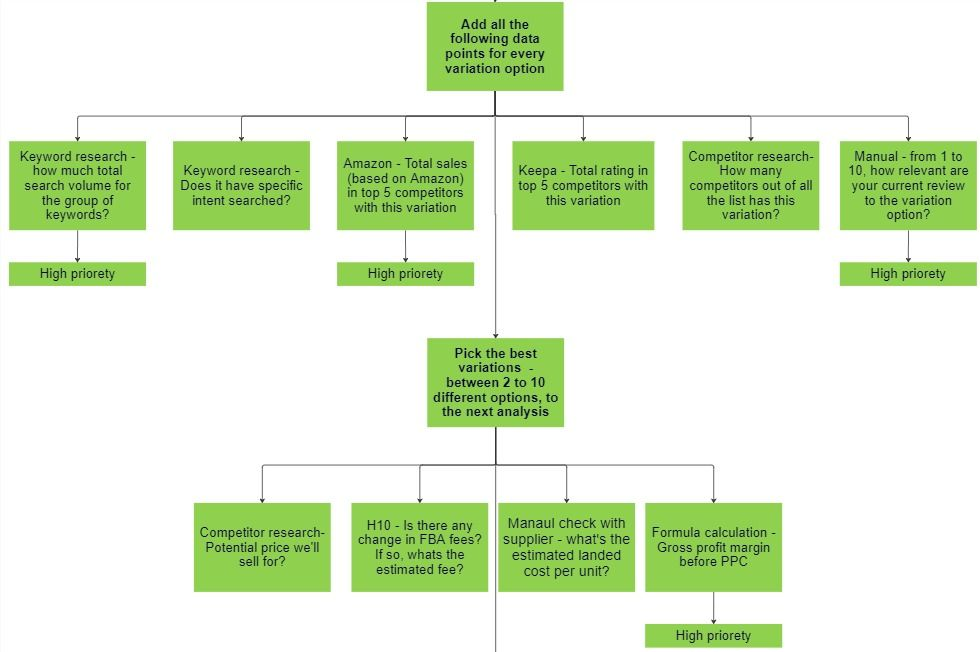

| Column | Source | Better |
|---|---|---|
| Specific-intent keywords? | Keyword research | Yes: shoppers search for it specifically |
| Total search volume of those keywords | Keyword research | Higher (10,000/month beats 1,000) |
| Total sales of the top 5 competitors with it | Amazon's "bought in past month" on their listings | Higher (5,000 units beats 500) |
| Total ratings of that variation in the top 5 | Keepa extension → Variations tab | Higher (1,000 beats 100) |
| Number of competitors offering it | Competitor research | More = higher chance of success |
| Relevance of your current reviews (1–10) | Your judgment: 10 = same product, different version; under 5 = risky with Amazon and shared reviews | Higher |


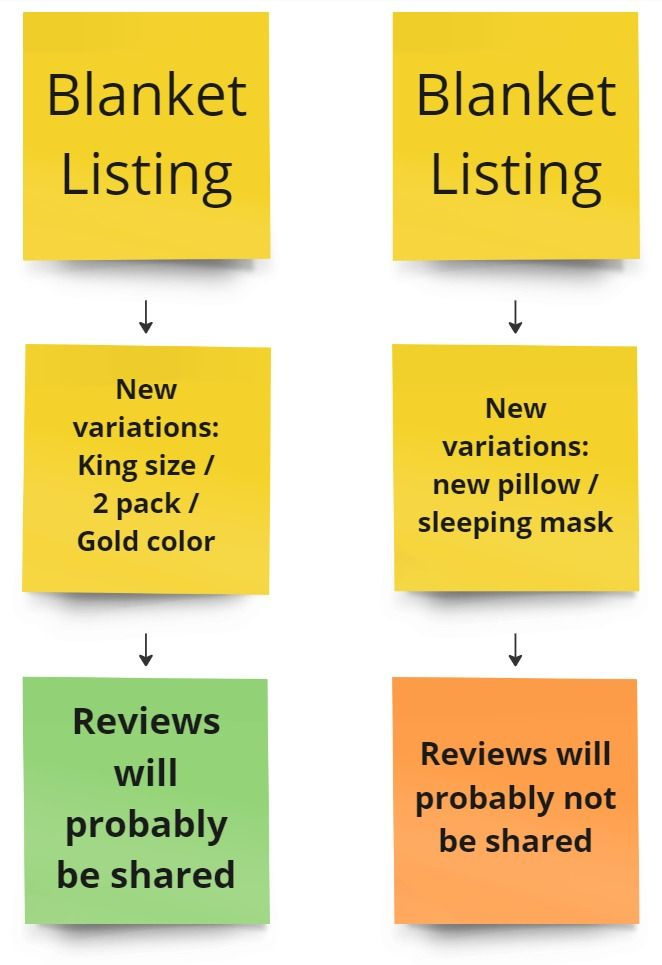
Compare the ideas across all columns, then prioritize the ones that win on review relevance, search volume and competitor sales. Move those to the margin check.


Gross margin of the top picks

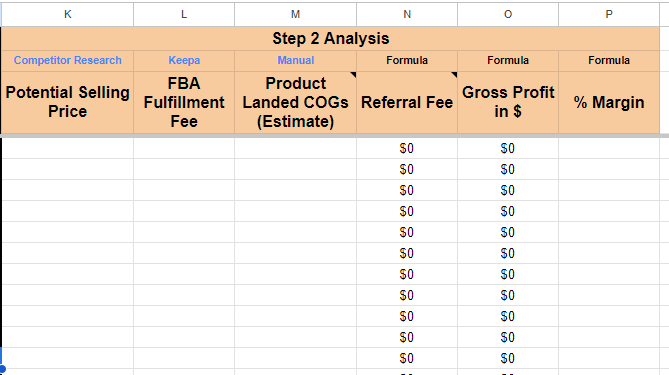
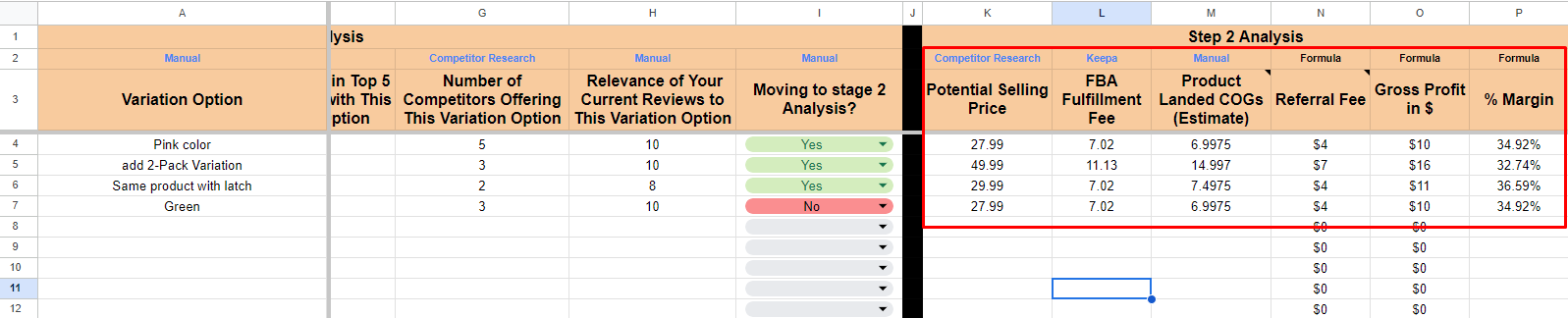
| Column | How |
|---|---|
| Potential selling price | The top 5 competitors' prices for this variation: competitive, neither the lowest nor the highest |
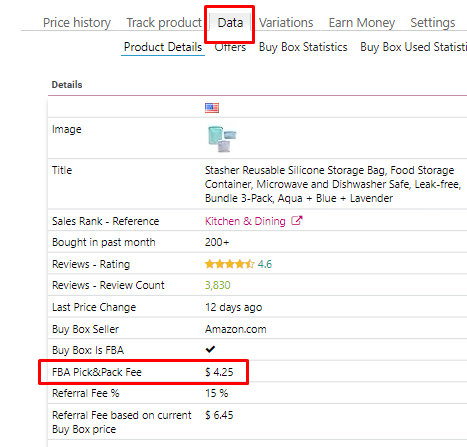
| FBA fee | Keepa (or similar) → Data on the product page |
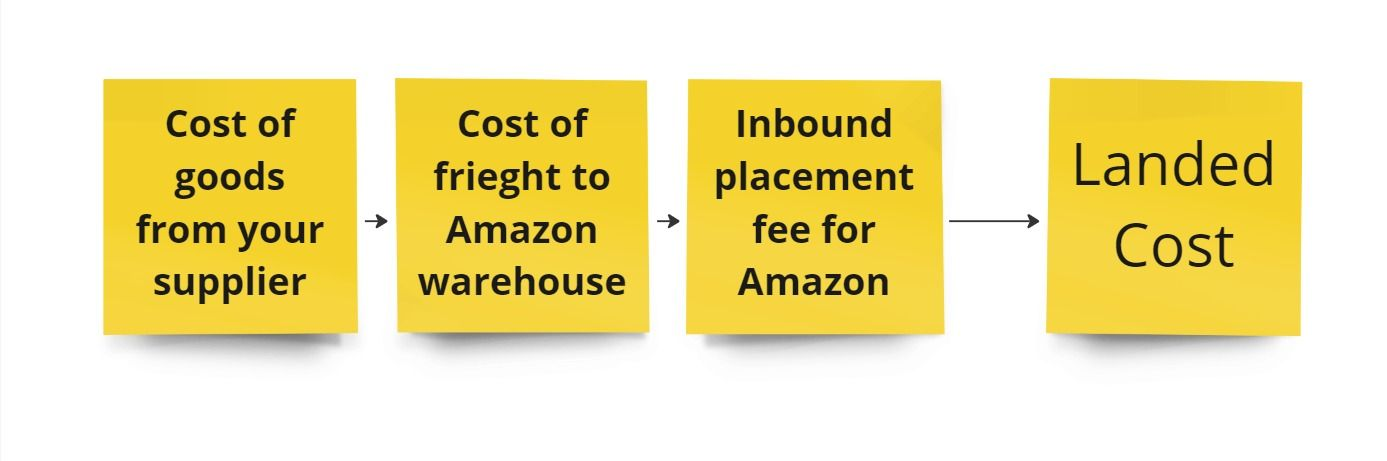
| Landed cost per unit | COGS from your supplier + shipping to Amazon |

Price, VAT, FBA fee, referral rate, product and freight cost, and an optional coupon to the gross profit margin, its band (36–42% ideal) and what to do.
Want these numbers for your own account? Get a free audit →Decide, plan and launch

| When | Do |
|---|---|
| Day 0 | Read the guide |
| Day 1 | Pick the products: best sellers, high review counts, and products with a low margin today |
| Week 1 | Gather all variation ideas (competitors + keywords) |
| Week 2 | Fill in the data, decide which go to the margin check, fill that in |
| Week 3 | Choose the variations: 2–3, or 10–20 across listings, depending on size and cash flow |
| Week 4 | Finalize specs with suppliers |
| Months 2–4 | Final sample (order the best-rated competitors to your supplier if unsure about quality), package design, PO, ship, launch plan and listing: live within 4 months |
| Do | Don't |
|---|---|
| Launch first the variations for keywords your main ASIN doesn't cover: they gain most from the existing reviews | Run a launch for AOV or conversion variations: the parent's traction carries them |
| Give specific-intent variations exact Sponsored Products campaigns on those keywords | Run auto, broad or phrase campaigns for new variations: they can steal clicks from your hero SKU and hurt its rank |
| Target competitors' matching variations with ASIN campaigns |
- Set TACOS targets and judge profit at the parent level: the hero ASIN may run at low profit or a loss while it drives traffic to all variations.
- Use A+ content and the last image slot of each child to show all the available variations.
Related guides
- Creating a variation from scratchCollect every product detail first, then create the listing in Add Products (title, product type, brand, barcode, details, offer, safety)…
- New product variation checklistResearch sizes, colors and styles across your top products and competitors, confirm keyword demand and unit economics, check quality with…
- New product research & development frameworkFrom 50+ ideas to the 1–3 products you launch: set up the scoring sheet, find ideas with six methods, narrow to 15 by score, deep-dive to…